
TL;DR Breakdown
- Ledger’s recent back door reports have raised concerns among crypto investors. It is crucial for investors to explore alternative hardware wallet options to safeguard their digital assets.
- When choosing a hardware wallet, it’s essential to consider factors such as security features, ease of use, compatibility with cryptocurrencies, and reputation within the crypto community.
- Hardware wallets provide an extra layer of security by keeping private keys offline, protecting them from potential hacks or malware attacks.
A contentious new feature has been implemented on all Ledger hardware wallet devices. The announcement sparked a frenzy on Crypto Twitter since yesterday. The functionality in discussion is Ledger Recovery, an ID-based private key recovery service that would allow users to back up their private seed phrase directly to their personal identity via three distinct custodians. What’s more? The service will cost $9.99 per month.
hide
Ledger comes under crypto scrutny
Ledger hardware wallets have been the gold standard in the crypto industry for the longest time. Despite Ledger’s insistence that this is a voluntary service and that users can continue to back up their seed words on their own, Ledger owners are concerned about the hardware wallet company’s security.
As reported by Cryptopolitan, the company says that its gadgets have no backdoors and that this is a totally opt-in service. This means that if users do not opt in, their Ledger devices will be unaffected.
A portion of Crypto Twitter reacted angrily to the news of the feature, claiming that distributing the (encrypted) key to third parties could make it vulnerable, thereby defeating the purpose of a hardware wallet in comparison to other storage options.
The requirement that Ledger Recover customers provide a government-issued ID to the company in order to use the service drew particular ire from users. This action violates fundamental privacy-related cryptographic principles for some in the crypto community.
Critics have urged cryptocurrency investors to abandon the Ledger wallet. This has prompted concern and uncertainty among users. One user notes that hackers can exploit this vulnerability, and software flaws are more likely to leak. According to the user, Ledger’s business strategy is characterized by a flagrant disregard for customer safety.
With the ongoing uncertainty surrounding Ledger, consider having an option in the hardware wallets listed below:
1. Trezor: A trusted name in hardware wallets
Trezor is a renowned name in the hardware wallet industry, trusted by crypto enthusiasts worldwide. With a strong emphasis on security and user experience, Trezor offers a range of wallet options to cater to different needs. Whether you’re a beginner or an experienced investor, Trezor provides intuitive interfaces and robust security measures to protect your digital assets. The wallet supports a wide range of cryptocurrencies, ensuring versatility and convenience for diverse investment portfolios.
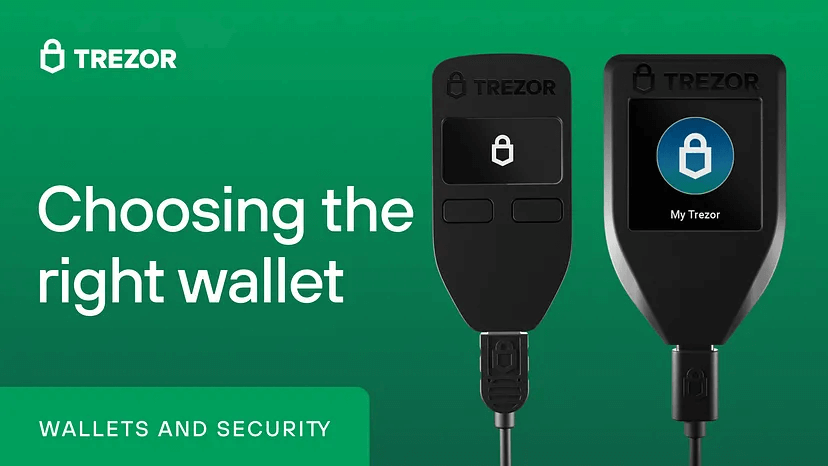

Key Features of Trezor:
1. Enhanced Security: Trezor employs advanced security measures such as two-factor authentication and passphrase encryption to keep your funds safe from unauthorized access.
2. User-friendly interface: With a simple and intuitive interface, Trezor makes it easy for users of all levels to manage their crypto holdings seamlessly.
3. Wide cryptocurrency support: Trezor supports a vast array of cryptocurrencies, ensuring compatibility with various blockchain networks.
4. Regular firmware updates: The Trezor team actively releases firmware updates to address any potential vulnerabilities and enhance security features.
2. KeepKey: Simplicity meets security
For investors seeking a hardware wallet that strikes a balance between security and ease of use, KeepKey is an excellent choice. With its sleek design and intuitive interface, KeepKey offers a user-friendly experience without compromising on security. The wallet’s large display provides enhanced visibility and makes it easy to verify transactions, ensuring peace of mind for crypto investors.
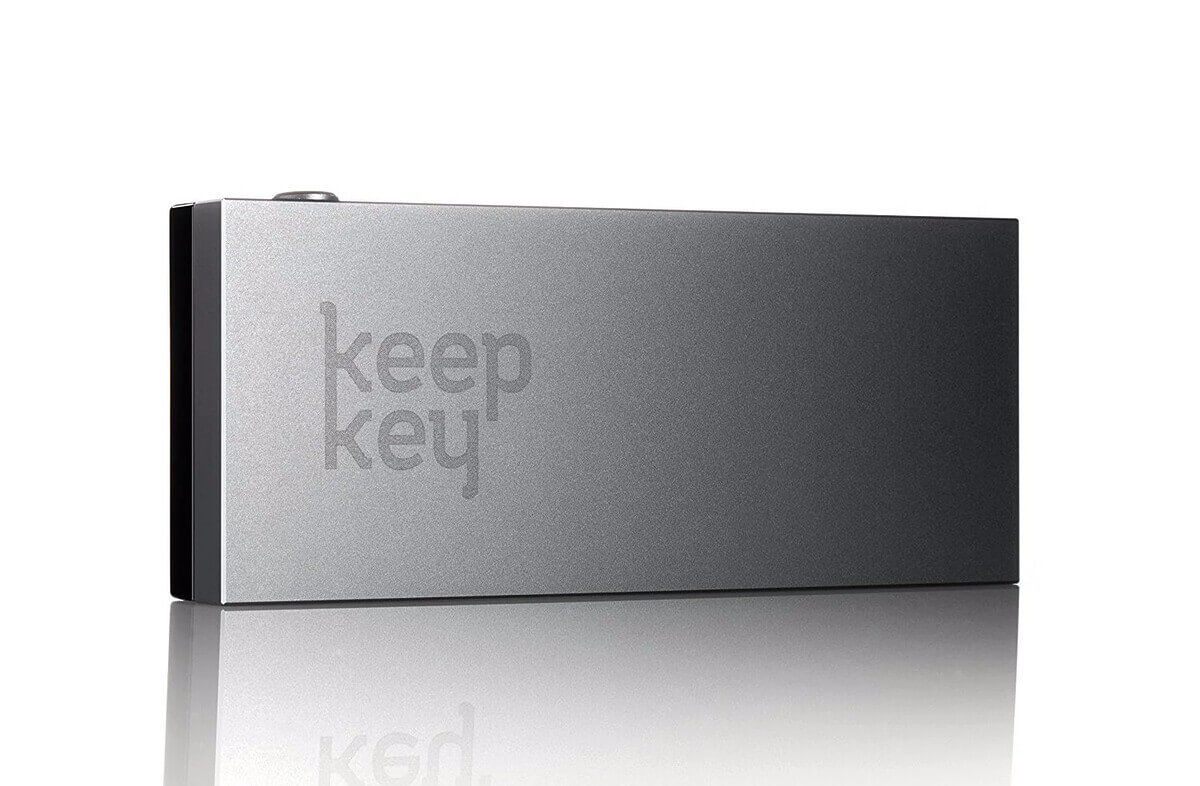
Key features of KeepKey:
1. Secure storage: KeepKey stores private keys offline, away from potential online threats, providing an additional layer of security for your crypto holdings.
2. Effortless setup: Setting up KeepKey is straightforward, and the wallet’s user-friendly interface makes it accessible for beginners.
3. Compatibility: KeepKey supports a wide range of cryptocurrencies, ensuring compatibility with various digital assets in your portfolio.
4. Integration with ShapeShift: KeepKey integrates seamlessly with the ShapeShift platform, allowing users to exchange cryptocurrencies within the wallet interface.
3. BitBox: Cutting-edge security features
BitBox is a hardware wallet that prioritizes security and privacy. Developed by Shift Cryptosecurity, BitBox is known for its innovative approach to safeguarding digital assets. The wallet offers advanced security features while maintaining a user-friendly experience, making it an appealing option for both novice and experienced investors.
Key features of BitBox:
1. Open-source design: BitBox is an open-source hardware wallet, allowing users to review the code and ensure transparency and security.
2. Multi-platform compatibility: BitBox is compatible with various operating systems, including Windows, macOS, and Linux, providing flexibility for users.
3. Secure chip technology: BitBox uses a secure chip to store private keys and conduct transactions securely, mitigating the risk of attacks.
4. Optional password encrypted backup: BitBox offers users the choice to create an encrypted backup using a user-defined password, further enhancing security.
FAQs about Hardware Wallet Alternatives
1. Are these hardware wallet alternatives secure?
Yes, all three alternatives mentioned in this article are renowned for their robust security measures. They employ industry-standard encryption techniques and have undergone rigorous testing to ensure the safety of your digital assets.
2. Can I store multiple cryptocurrencies on these hardware wallets?
Absolutely! Trezor, KeepKey, and BitBox support a wide range of cryptocurrencies, including Bitcoin, Ethereum, Litecoin, and many others. You can store multiple cryptocurrencies simultaneously on these devices.
3. What if I lose my hardware wallet? Will I lose my funds?
No need to worry. Each hardware wallet provides backup and recovery options. You’ll be guided through the process of securely recovering your funds in case your device is lost or damaged.
4. Can I use these hardware wallets on multiple devices?
Yes, these hardware wallets are designed to be used on multiple devices. You can connect them to your computer or mobile device and access your funds securely.
5. Are these hardware wallets compatible with popular crypto wallets?
Yes, all three alternatives mentioned in this article are compatible with popular crypto wallets and management platforms, providing you with a seamless user experience. Do your own research first and get an understanding beforehand.
6. How do I choose the right hardware wallet for my needs?
When selecting a hardware wallet, consider factors such as security features, user experience, compatibility, and supported cryptocurrencies. Assess your priorities and choose the one that aligns best with your requirements.
文章来源于互联网:From Ledger woes to secure solutions: 3 hardware wallet alternatives every crypto investor must know