
Has Ethereum fallen into the hands of a powerful ‘cartel’?

TL;DR Breakdown

  • Controversial reports point to the possibility of Ethereum being influenced by a group of powerful miners known as the “Ethereum Cartel.”
  • The Ethereum Cartel allegedly controls a significant portion of the network’s mining power, potentially giving them the ability to manipulate transactions and prioritize their own interests.
  • Critics argue that the concentration of mining power within the Ethereum Cartel threatens the decentralized nature of the network and undermines the principles of transparency and fairness.
  • Ethereum proponents say that Ethereum 2.0’s switch from PoW to PoS consensus will reduce miners’ influence and promote decentralization.

Is Ethereum under siege? The Ethereum ecosystem is embroiled in a controversy over the outsized impact one of its staking pools, Lido Finance (LDO), has on the network as a whole. Anthony Sassano, the proprietor of The Daily Gwei and independent Ethereum educator, is credited with sparking the centralization concerns with a tweet. 

Ethereum faces controversial issues over centralization

The current controversy encircling the Ethereum ecosystem concerns liquid staking derivatives or LSDs, and Lido Finance in particular.

Liquid staking refers to the procedure of depositing Ethereum into a protocol that combines it with other user deposits and stakes it on their behalf. In exchange, users receive a second token that represents their staked position and accrues its own rewards. In the case of Lido, consumers receive Staked Ethereum (stETH).

According to DeFi Llama, the threat at issue is Lido’s current market dominance, which accounts for 74% of all LSDs. The pool contains over 7 million ETH, valued at approximately $13 billion, and it has grown by 12% over the past thirty days. The issue is that centralization is straightforward. Although Lido is a stakes provider, the company’s current circumstance is precarious. It is unable to stop the chain or transactions. It remains a significant danger to the social decentralization of the chain.
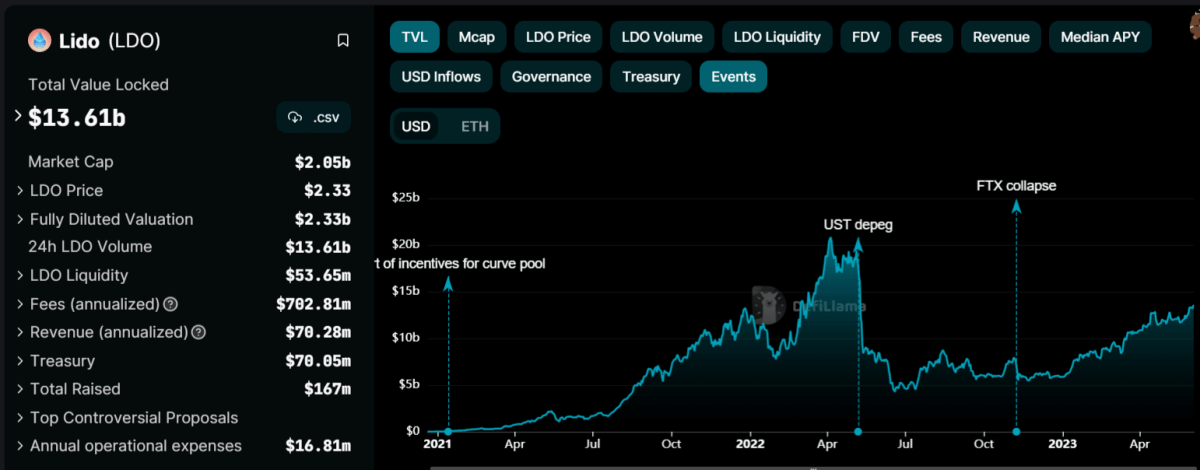
image 83Has Ethereum fallen into the hands of a powerful ‘cartel’?
Source: DeFiLlama

The aforementioned LSDs, which are derived from the deposited ETH, are also a source of concern. In finance, a derivative is an instrument whose value is derived from another asset. They are used to speculate further on a given asset, ETH, in this instance.

Another source of concern is the aforementioned LSDs, which are derivatives generated on top of the staked ETH. In finance, a derivative is an instrument whose value is derived from another asset. They are used to speculate further on any particular asset, in this case ETH.

The concerns of other analysts echo the discourse surrounding centralization from the previous year, prior to the Ethereum merge. At the time, there was concern that centralized entities, such as wallets that had interacted with the US-sanctioned Ethereum aggregator Tornado Cash, would block certain transactions.

The Ethereum Foundation echoes centralization concerns

There are additional concerns authored by the ETH Foundation itself. In a blog post titled The Risks of LSD, the foundation explains that if LSD exceeds consensus thresholds, it could lead to the formation of “block space cartels.” Due to their coordinated maximal extractable value (MEV) extraction, block timing manipulation, and censorship, these cartels can generate enormous profits.
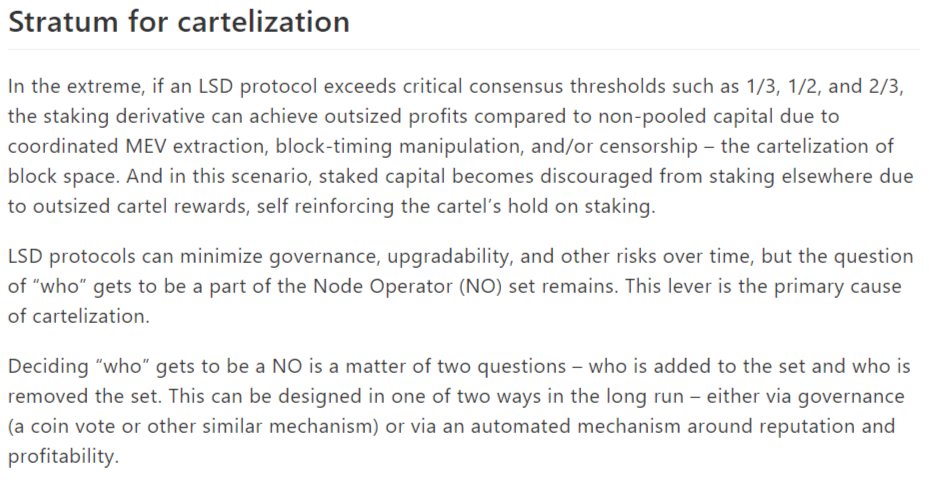
image 84Has Ethereum fallen into the hands of a powerful ‘cartel’?
Source; ETH Blockchain

Simply put, the larger a particular pooled staking “cartel” becomes, the greater the rewards it obtains and the greater the incentive for users to pool their funds with that provider.

Eric Conner, an Ethereum core developer and co-author of EIP-1559, states that not staking through a pool entails substantial disincentives. “Solo staking is a nightmare,” he said, adding that he doesn’t blame anyone for turning to LSDs. Solo staking can be a daunting endeavor, which is why many individuals utilize platforms such as Lido.

It requires 32 ETH, or roughly $60,500, in addition to a fair quantity of technical expertise. Maintaining a validator node necessitates specific hardware, knowledge of key management, and mitigating the risk of going inactive, as doing so could result in financial penalties.

Adding that ETH must improve the UX of individual staking, he thanked Dappnode for making the process “as simple as one click.” The company sells “no technical knowledge required” hardware that can be used to set up Ethereum or Bitcoin nodes at home, as well as free open-source software for a more do-it-yourself approach.

Disclaimer. The information provided is not trading advice. Cryptopolitan.com holds no liability for any investments made based on the information provided on this page. We strongly recommend independent research and/or consultation with a qualified professional before making any investment decision.

文章来源于互联网:Has Ethereum fallen into the hands of a powerful ‘cartel’?

Disclaimers:

1. You are solely responsible for your investment decisions and this info is not liable for any losses you may incur.

2. The copyright of this article belongs to the writer, it represents the writer's opinions only, not represents the site's ones. Not financial advice.

Previous 2023年6月7日 13:31
Next 2023年6月7日 15:02

Related articles

  • ASIC initiates legal action against Bit Trade over its crypto product

    TL;DR Breakdown Australian regulator ASIC has commenced legal proceedings against Bit Trade over crypto margin trading. Regulatory scrutiny in Australia’s crypto industry. Description The Australian Securities and Investments Commission (ASIC) has initiated civil proceedings against Bit Trade, the operator of the Kraken cryptocurrency exchange in Australia. The lawsuit alleges that Bit Trade failed to meet design and distribution obligations for one of its trading products, a margin trading offering. According to ASIC’s statement released on September 21, the … Read more The Australian Securities and Investments Commission (ASIC) has initiated civil proceedings against Bit Trade, the operator of the Kraken cryptocurrency exchange in Australia. The lawsuit alleges that Bit Trade failed to meet design and distribution obligations for one of its trading products, a margin trading offering. According to ASIC’s statement released on September 21, the financial regulator asserted that Bit Trade did not create a target market determination before making its margin trading product available to Australian customers. ASIC said the firm refused to follow legal requirements According to ASIC, the design and distribution obligations are legal requirements imposed…

    Article 2023年9月22日
  • Cameron Winklevoss ignites crypto regulatory firestorm on DCG

    Description A formidable storm is brewing in the cryptocurrency sector. At the eye of this storm stands Cameron Winklevoss, co-founder of the crypto firm Gemini Trust Co, and his allegations against the Digital Currency Group (DCG) and its trailblazing founder, Barry Silbert. The accusations? Misrepresentation of the financial state of DCG’s lending subsidiary, Genesis, which declared … Read more A formidable storm is brewing in the cryptocurrency sector. At the eye of this storm stands Cameron Winklevoss, co-founder of the crypto firm Gemini Trust Co, and his allegations against the Digital Currency Group (DCG) and its trailblazing founder, Barry Silbert. The accusations? Misrepresentation of the financial state of DCG’s lending subsidiary, Genesis, which declared bankruptcy earlier this year. And with Gemini emerging as the most significant creditor to the now-bankrupt Genesis, the stakes couldn’t be higher. Federal Authorities Dive Deep Into Winklevoss’s Allegations The heat of the matter has grabbed the attention of federal authorities. They’re currently diving deep into Winklevoss’s claims, searching for truth amidst the haze. This move follows Winklevoss’s assertions that DCG and Silbert, in what might…

    Article 2023年9月9日
  • Crypto exchange OKX sets sights on India despite regulatory hurdles

    TL;DR Breakdown Crypto exchange OKX has announced plans to enter the Indian market, aiming to leverage the country’s developer community to expand its wallet services and explore Web3 applications. Despite the lack of clear regulations on cryptocurrencies in India, OKX is optimistic about its growth prospects. The company already has around 200,000 wallet users in India, accounting for about 5% of the country’s Web3 users. Description Crypto exchange OKX is gearing up to make a bold entry into the Indian market, aiming to hire local staff and explore Web3 applications. This move comes despite the prevailing regulatory uncertainties surrounding cryptocurrencies in the country. OKX’s strategy: Tapping into India’s developer community Haider Rafique, the Chief Marketing Officer of OKX, revealed the company’s … Read more Crypto exchange OKX is gearing up to make a bold entry into the Indian market, aiming to hire local staff and explore Web3 applications. This move comes despite the prevailing regulatory uncertainties surrounding cryptocurrencies in the country. OKX’s strategy: Tapping into India’s developer community Haider Rafique, the Chief Marketing Officer of OKX, revealed the company’s intentions…

    Article 2023年9月1日
  • Perella Weinberg explores sale of FTX’s Anthropic stake: Could venture capitalists cash in on AI boom?

    TL;DR Breakdown FTX’s collapsed crypto exchange holds a valuable stake in AI startup Anthropic, which has surged in value and is now worth billions of dollars. Perella Weinberg, the bank handling FTX’s bankruptcy, is considering selling hundreds of millions of dollars’ worth of Anthropic shares, potentially benefiting former FTX customers. Bankers are debating whether to sell the entire Anthropic stake now or retain some for potential future gains amidst the rising valuations in the AI industry. Perella Weinberg, the investment bank handling the bankruptcy of crypto exchange FTX, is reportedly seeking to sell shares in Anthropic, an AI startup that has gained significant value in the AI industry, according to a report by Semafor. The stake in Anthropic, worth around $500 million at the time of FTX’s bankruptcy, is now expected to fetch a substantial nine-figure sum, benefiting former customers. The privately-held company has become a prominent player in the AI boom, particularly with the creation of the Claude chatbot that competes with ChatGPT. Bankers debate selling entire stake or holding back Furthermore, the report stated that Perella Weinberg is…

    Article 2023年6月12日
  • Shanghai Clearing House embraces digital yuan for settlements

    TL;DR Breakdown Shanghai Clearing House, Asia’s first counterparty clearing institution, now supports payments made with the digital yuan. The move aims to boost efficiency in managing commodity settlements and promote the digital yuan in international markets. This initiative aligns with the People’s Bank of China’s strategy to position the digital yuan as a cross-border transactional currency. Description In a groundbreaking development, Shanghai Clearing House, Asia’s foremost counterparty clearing institution, is welcoming the digital yuan as a medium of exchange for settlements. This measure heralds a new chapter in the realm of digital currencies as the Chinese central bank’s digital currency (CBDC) gains a firmer foothold in international commerce. Easing the way for … Read more In a groundbreaking development, Shanghai Clearing House, Asia’s foremost counterparty clearing institution, is welcoming the digital yuan as a medium of exchange for settlements. This measure heralds a new chapter in the realm of digital currencies as the Chinese central bank’s digital currency (CBDC) gains a firmer foothold in international commerce. Easing the way for bulk commodities settlement The Shanghai Clearing House’s decision is set…

    Article 2023年7月1日
TOP