
The top pay-to-play accelerators in 2023

TL;DR Breakdown

  • Pay-to-play accelerators continue to gain popularity in 2023 as startups seek funding, mentorship, and network connections to accelerate their growth and success.
  • The landscape of pay-to-play accelerators has become highly competitive, with numerous programs offering different benefits, resources, and investment opportunities for startups.
  • Many pay-to-play accelerators have notable success stories, with their alumni achieving significant milestones, including successful funding rounds, acquisitions, and market expansions.

Accelerators have taken up the better part of business development in the new financial era. In the dynamic and ever-evolving world of startups, entrepreneurs are constantly seeking opportunities to propel their businesses to new heights. One of the most sought-after avenues for startup growth is through participation in pay-to-play accelerators. 

These programs offer a unique blend of mentorship, funding, and resources that can catapult startups toward success. Here are the top pay-to-play accelerators in 2023, curated to help you make informed decisions and maximize your startup’s potential.

What are pay-to-play accelerators?

Pay-to-play accelerators are programs or organizations that require participating startups or entrepreneurs to pay a fee or provide some form of monetary investment in order to gain access to their resources and support. These accelerators typically offer a structured program that includes mentorship, networking opportunities, educational workshops, and sometimes funding.

In contrast to traditional accelerators, which typically provide these resources in exchange for equity in the participating startups, pay-to-play accelerators primarily rely on the upfront fees or investments from the startups as their main source of revenue. The amount of money required to participate can vary significantly depending on the accelerator and its reputation, ranging from a few thousand dollars to tens of thousands of dollars.

While pay-to-play accelerators can provide valuable resources and support to startups, they have also faced criticism and skepticism. Some argue that the high costs associated with these programs can exclude or limit access for startups with limited financial resources, potentially leading to a lack of diversity and inclusion. Additionally, the quality and effectiveness of these programs can vary widely, so it’s essential for entrepreneurs to carefully evaluate the reputation, track record, and value proposition of any pay-to-play accelerator they consider joining.

It’s worth noting that not all accelerators operate on a pay-to-play model. There are numerous accelerators and incubators that provide support to startups without requiring them to pay fees or provide upfront investments. These programs typically take equity in the startups in exchange for their services and resources.

Accelerators to watch out for in 2023

1. Y Combinator

Y Combinator, founded in 2005, is one of the most prominent accelerators in the world and is regarded as the pioneer accelerator. The accelerator is located in Mountain View, California, in the United States, and is well-known for its investments in high-growth and seed-stage technology ventures. Y Combinator invests $500,000 in startups admitted into its program in exchange for 7% ownership.
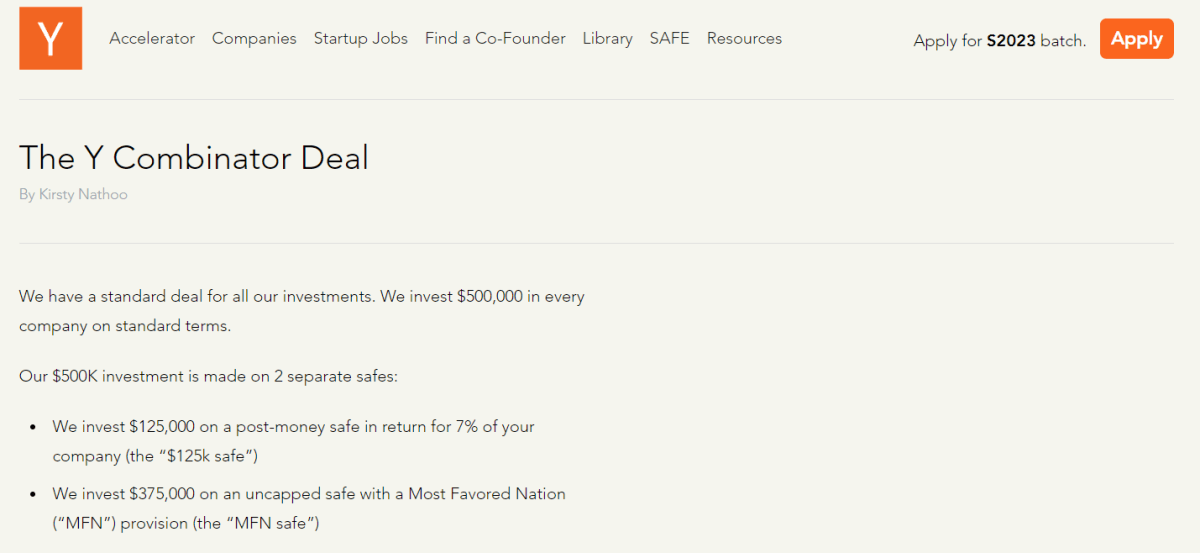
image 122The top pay-to-play accelerators in 2023

Two batches per year, each spanning three months, culminate in a Demo Day where startups present their concepts. This accelerator has funded over 3,500 startups and served as the launching platform for numerous global companies, including Reddit, Dropbox, Coinbase, Airbnb, and Stripe, among others.

2. TechStars

Techstars is a three-month accelerator program based in Boulder, Colorado, that is an excellent option for first-time entrepreneurs, tech startups, and startups with rapid growth. It is one of the largest pre-seed investors in the globe and has invested in over 3,300 early-stage startups since its founding in 2006. This accelerator provides access to mentorship, talent, infrastructure, and more in addition to funding.

Techstars alumni include Uber, DigitalOcean, and Twilio, among others. The company operates more than 50 accelerators worldwide and hosts additional events such as Startup Week and Startup Weekend to help businesses scale more rapidly. Techstars offers a $20,000 investment in exchange for 6% equity, and all accepted firms are also offered a $100,000 convertible note.

Techstars also organizes Startup Week and Startup Weekend, two influential events for the startup community to rapidly accelerate their businesses. The primary distinction between TechStars and Y Combinator is that TechStars offers accelerator programs based on mentorship in more than 15 countries internationally.

3. Founder Institute

The Founder Institute offers its courses in 180+ cities across the globe and in 9 different languages. The firm provides vital assistance to pre-seed entrepreneurs and teams by creating a network of local startup professionals that can help them gain traction and secure funding.

Some of the most successful entrepreneurs in the world serve as directors and mentors for the Founder Institute’s local chapters throughout the world.

4. Plug and Play

In more than 35 cities around the world, Plug and Play facilitates more than 60 specialized accelerator programs for various industries. Each year, they invest in over 250 different startups and serve as a bridge between large firms and new businesses. It offers a 12-week program and can be found in Sunnyvale, California. Companies like PayPal and LendingClub are examples of successful startups that have graduated from Plug and Play.
image 123The top pay-to-play accelerators in 2023

More than five hundred businesses are connected to Plug and Play’s vast network of entrepreneurs. Over $9 billion has been invested in the enterprises in their portfolio. They have financed between $50,000 and $250,000 in 1,360 firms since its inception in 2006. To top it all off, Plug & Play still offers follow-up investments of up to $1M for qualifying firms. There is no set percentage of ownership given to the accelerator, but rather it varies from one percent to five percent of the business.

Disclaimer. The information provided is not trading advice. Cryptopolitan.com holds no liability for any investments made based on the information provided on this page. We strongly recommend independent research and/or consultation with a qualified professional before making any investment decision.

文章来源于互联网:The top pay-to-play accelerators in 2023

Disclaimers:

1. You are solely responsible for your investment decisions and this info is not liable for any losses you may incur.

2. The copyright of this article belongs to the writer, it represents the writer's opinions only, not represents the site's ones. Not financial advice.

Previous 2023年6月9日 04:05
Next 2023年6月9日 05:53

Related articles

  • Twitter blatantly refuses to pay its Google Cloud bills

    TL;DR Breakdown Twitter has refused to settle its debts to Google Cloud, potentially impacting its trust and safety mechanisms. The conflict began before the contract renewal this month and Twitter has sought a renegotiation of its Google contract since March. The company’s tech infrastructure hosts some services on its own servers, while others are on Amazon and Google’s cloud platforms. Shaking the sphere of digital business, Twitter has reportedly declined to clear its debts owed to Google Cloud, a move that could put the social media giant’s trust and safety mechanisms in jeopardy. The deadline for payment has passed with the contract renewal slated for this month, a situation causing some ripples across the sector. An unsolved debt dispute When a multi-year contract with Google was inked before Elon Musk’s epoch-defining acquisition of Twitter, the focus was on intensifying efforts to combat spam and safeguard accounts, among other objectives. However, as this dispute festers, concerns have arisen about potential adverse effects on Twitter’s trust and safety functions, though specific implications remain unclear. The tech giant has been reportedly pushing for…

    Article 2023年6月13日
  • Former Wells Fargo executive faces one-year prison term for obstructing fake accounts investigation

    TL;DR Breakdown Carrie L. Tolstedt, former head of retail banking at Wells Fargo, faces a potential one-year prison sentence for obstructing an investigation into the bank’s fake accounts scandal. Prosecutors argue that a probation term recommended by the U.S. Probation Office is too lenient, given the severity of Tolstedt’s actions and the scale of the scandal. Tolstedt has already agreed to a $17 million civil penalty and a ban from the banking industry; her sentencing hearing is scheduled for September 15. Description Carrie L. Tolstedt, the former head of retail banking at Wells Fargo, could be sentenced to a year in prison for obstructing an investigation into the bank’s notorious fake accounts scandal. Prosecutors in Los Angeles argued that Tolstedt’s actions were an attempt to conceal one of the most significant banking scandals in modern history. The … Read more Carrie L. Tolstedt, the former head of retail banking at Wells Fargo, could be sentenced to a year in prison for obstructing an investigation into the bank’s notorious fake accounts scandal. Prosecutors in Los Angeles argued that Tolstedt’s actions were…

    Article 2023年9月3日
  • Global crypto regulation takes a different turn in Q2 2023

    TL;DR Breakdown While the technologies underlying blockchain, crypto, and tokenization continue to evolve rapidly, the regulatory frameworks of different nations continue to evolve. SEC crypto regulation dubbed Chockpoint 2.0 has caused legitimate digital asset players to move offshore. Investors see BTC ETFs filing by BlackRock and the PayPay stablecoin to be a regulatory turning point for crypto-USA. Crypto market regulators point out that regulatory clarity for digital assets is no longer a luxury but a necessity. Description Just when investors thought they had the crypto rulebook figured out, Q2 2023 swoops in with a plot twist even the most seasoned regulators didn’t see coming. It’s as if crypto regulation entities such as the SEC decided to trade its traditional playbook for a pair of roller skates – unexpected, a bit wobbly, but … Read more Just when investors thought they had the crypto rulebook figured out, Q2 2023 swoops in with a plot twist even the most seasoned regulators didn’t see coming. It’s as if crypto regulation entities such as the SEC decided to trade its traditional playbook for a…

    Article 2023年8月11日
  • Utah resident Jacob Orvidas settles with CFTC over deceptive Bitcoin scheme

    TL;DR Breakdown Jacob Orvidas deceived investors with a Bitcoin commodity pool scheme, promising high returns but using fake spreadsheets and losing almost all funds. The CFTC and SEC collaborated on the case, resulting in Orvidas paying $2.5 million in settlements and facing a 10-year trading ban. Description In a recent development, Jacob Orvidas, a 28-year-old man from Utah, has agreed to a settlement with the Commodity Futures Trading Commission (CFTC) over allegations of a deceptive bitcoin commodity pool scheme. The case has garnered significant attention and sheds light on the potential pitfalls and fraudulent activities in the rapidly evolving cryptocurrency market. Contents … Read more In a recent development, Jacob Orvidas, a 28-year-old man from Utah, has agreed to a settlement with the Commodity Futures Trading Commission (CFTC) over allegations of a deceptive bitcoin commodity pool scheme. The case has garnered significant attention and sheds light on the potential pitfalls and fraudulent activities in the rapidly evolving cryptocurrency market. Contents hide 1 Orvidas’s deceptive Bitcoin commodity pool scheme 2 The settlement and its implications 3 A warning for potential investors…

    Article 2023年9月9日
  • Bitcoin Faces Fresh Challenges as US Debt Deal Raises Concerns, Citigroup Warns

    TL;DR Breakdown US Treasury’s cash rebuild: The US Treasury’s plan to replenish its cash balance through a massive Treasury bill deluge may negatively impact cryptocurrencies like Bitcoin and Ether, leading to higher volatility and weaker returns. Uncertainty surrounding US government default: While a potential US government default could theoretically benefit decentralized digital assets, such as Bitcoin, the crypto industry is still in its early stages. Bitcoin and other cryptocurrencies may face a challenging near-term outlook as the US Treasury looks to rebuild its cash balance through a massive Treasury bill deluge. Citigroup Research strategists have warned that the impending reserve drawdown and the subsequent potential drain of liquidity from the banking sector could result in higher volatility and weaker returns for risky assets like Bitcoin and Ether.  This development comes at a time when digital asset investors were just recovering from fears surrounding the US debt ceiling. This article delves into the potential implications of the US debt deal on the cryptocurrency market and analyzes the current state of Bitcoin. Contents hide 1 Impending US Treasury Rebuild Poses Headwinds for…

    Article 2023年6月8日
TOP